

The Monster in the Shadows
Climate Crisis, Collective Denial and a brewing super El Niño

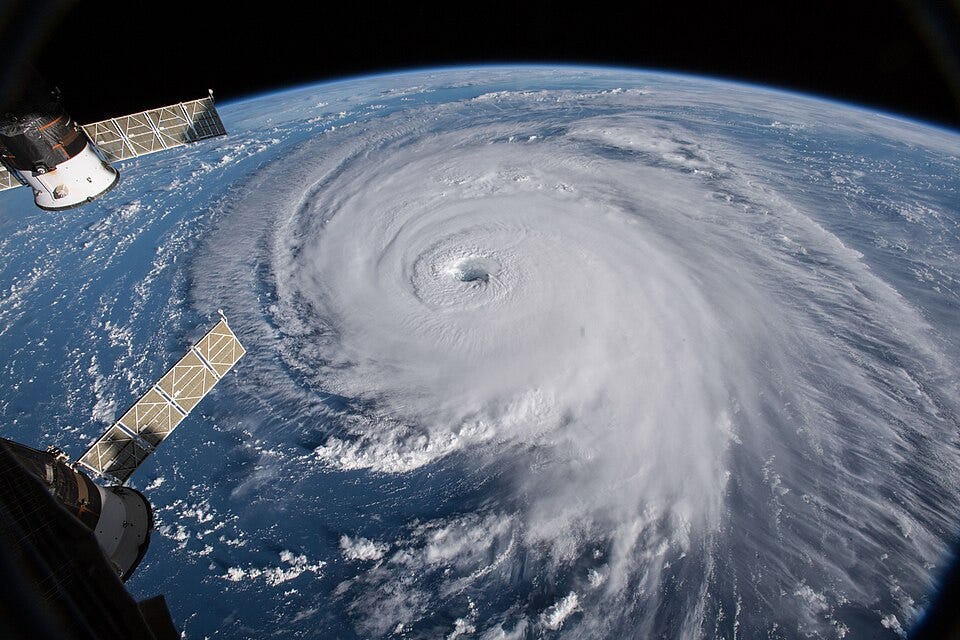
On April 15th, veteran climate scientist James Hansen reported that sub-surface ocean temperatures in the Pacific had increased from 1 ℃ to 1.7 ℃ in a single month.
This staggering rise is the clearest indication yet that a powerful El Niño will hit this year. These periodic shifts in Pacific Ocean currents matter because of their outsized impact on global weather systems - the worst El Niño on record, in 1876-78, caused an estimated 19-50 million deaths around the world.
Even in normal times, the effects can be profound. And these are not normal times. The planet is baking in record heat, many of the world’s poorest are reeling from the consequences of the attack on Iran, and scientists expect this El Niño to be stronger than normal.
Put another way, we could be standing on the cusp of an unprecedented global climate and humanitarian disaster. But you wouldn’t know it from the news. On April 15th, the biggest story in the world was about a different spiking graph: the price of oil.
If We Don’t Look, It Might Go Away
Just over ten years ago, I was in the room as the gavel dropped on the Paris Agreement - the landmark global climate deal that sought to limit warming to less than 1.5℃ above pre-industrial levels.
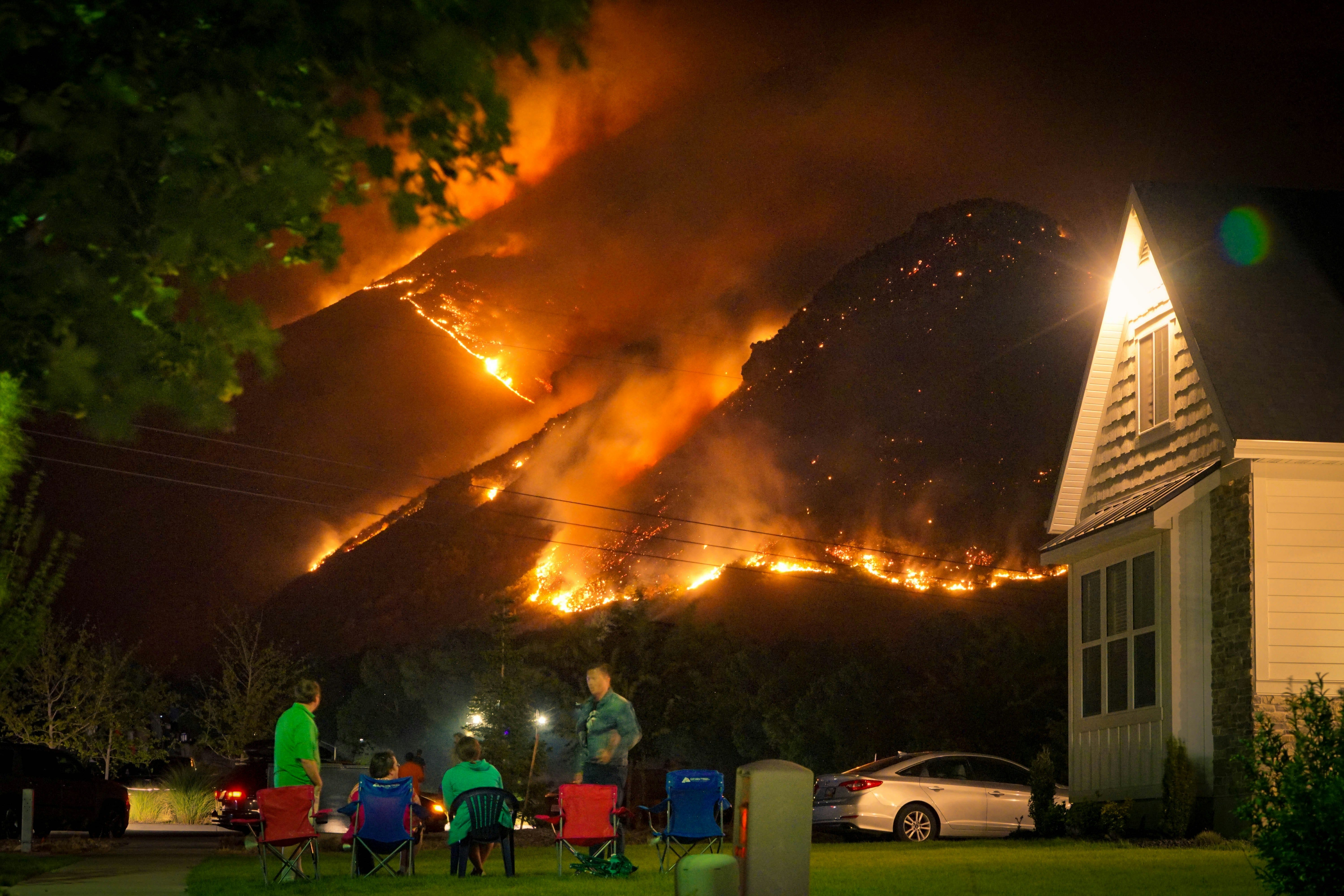
A decade of climate policy failure later, we’re now at, or near, that limit. The first years of the 2020s have seen record increases in greenhouse gas concentrations, ocean heat, sea level rise and global temperature. Glaciers are retreating, oceans acidifying, and fires engulfing ever greater areas of land. The number of people facing the consequences of this catastrophe is growing year on year.
Yet global news coverage of the climate crisis has collapsed, down 38% from its peak in 2021. The number of reporters covering the climate beat has been slashed. Climate policy - and the transition to clean energy it demands- has been deprioritised as a political issue.
And no-one seems to have noticed, even as we’re hammered repeatedly by escalating climate disasters, and conflict-driven energy-shocks that demonstrate the fragility of the fossil fuel system.
Are We All Climate Deniers Now?
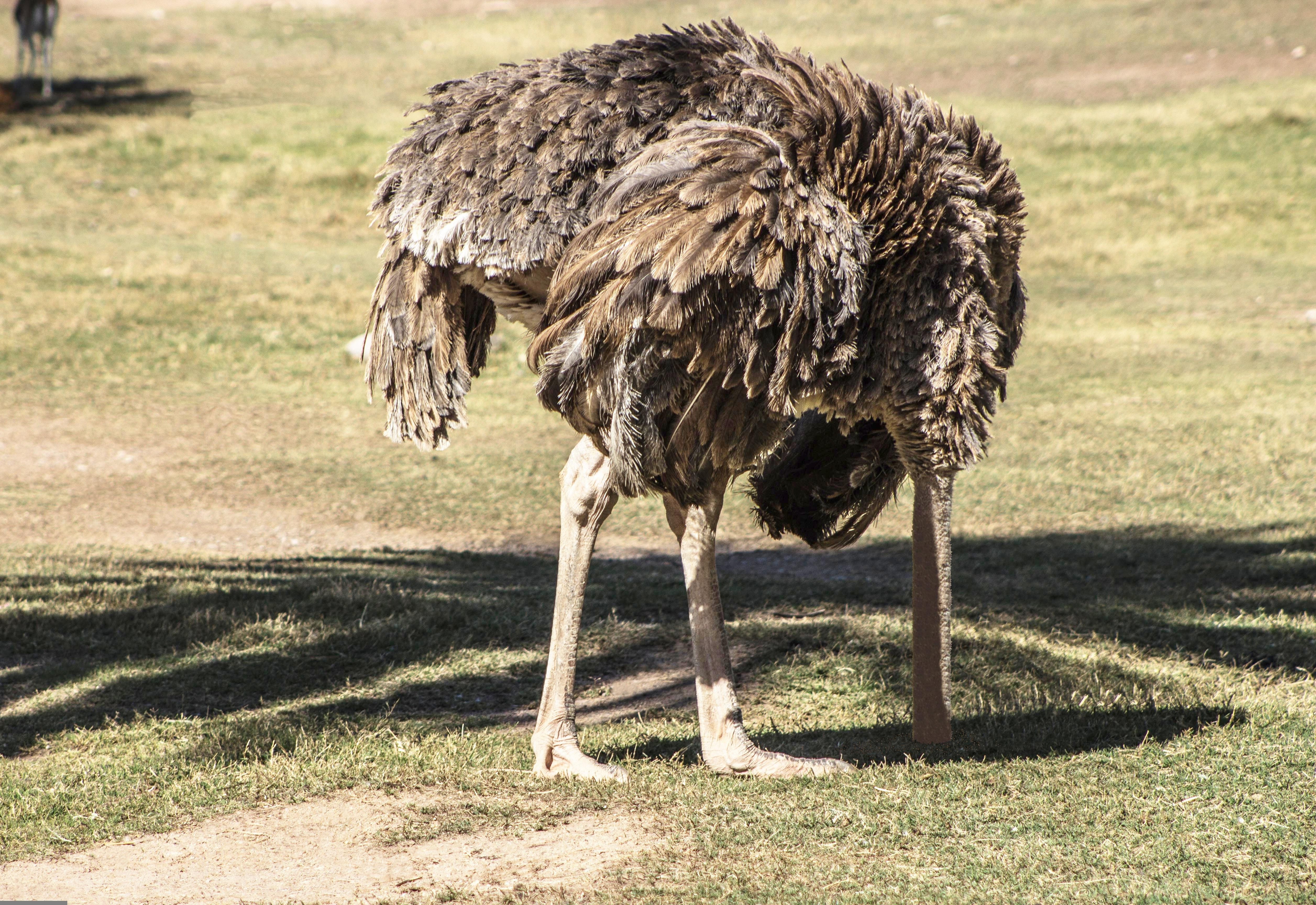
It’s tempting to reach for the easy explanations for this wilful blindness to what is unfolding before our eyes.
Sure, there have been other issues to deal with. War, genocide, political dysfunction. But I don’t think that’s what’s going on. Not really.
I think we’re in the midst of a collective denial so vast we can scarcely comprehend it.
I’m not talking about climate denial as it is usually understood – as taking issue with basic facts of climate science. I’m talking about a more widespread, subtle, and dangerous form of denial that afflicts people who fully acknowledge the reality of the climate crisis intellectually, but continue to live as though it were not true. We all know them. Hell, we all are them. One way or another, we’re all complicit in this cover-up.
To understand why, we need to understand how denial works.
In its simplest form, denial is the process of convincing ourselves that a fact is not true, despite clear evidence to the contrary. We are particularly prone to do this with facts we don’t like. It might be our growing overdraft, or our selfishness, or that deadline bearing down on us. It’s just easier not to face. That is normal psychology at work.
The climate crisis is almost tailor-made to be denied. Our brains have evolved to deal with immediate, visible, and personal threats. The climate crisis, however, is slow, collective, and often invisible. It is also deeply inconvenient, a fact that no one likes. It’s not hard to see how almost everyone ends up in some form of climate denial.
And when we live in a system of collective denial, the power of conformity is immense. We are social animals, taking our cues from each other. This is how truths, even truths with planet-sized consequences, are jettisoned from our collective consciousness.
This exile of truth exacts a brutal psychological cost, especially on the young, who know what is wrong and can’t see anyone doing anything meaningful about it. Five years ago Avaaz teamed up with the University of Bath to study this effect - our survey of 10,000 young people around the world found climate anxiety affected the daily life of nearly 50 per cent of them. It is hard to imagine things have improved.
The Exiles Of the Shadow

Carl Jung called the collective repository for that which we deny the ‘shadow.’ He explained how the unwanted and unacknowledged contents of the shadow are still very much alive, acting upon our lives in all sorts of unwelcome ways, getting stronger because we deny them.
This insight is not new. It is a pattern stamped through old mythic stories, which are an underrated guide to the chaos we’re living through. Tales of exiled monsters - from the Minotaur, to Grendel, to Fenrir, are found everywhere, and they tend to go like this: Something unwanted is exiled. Alone in exile, the unwanted becomes the monstrous. The monster lurks in the shadows, gathering strength before unleashing chaos on that which exiled it. Some great confrontation occurs, and then - in the best case scenario - some sort of cathartic transformation results.
I believe that the climate crisis is one of the exiled monsters of our time, gathering strength from our collective denial. The Pacific temperature readings suggest it might now be stirring, stretching its limbs before making its most unequivocal appearance yet.
Here’s how a super El Niño could go down. Major droughts could hit both Australia and the Amazon, prompting the return of fires so big they can be seen from space. In Europe, this summer could be one of insane heatwaves, topping out at over 45 degrees. In Asia, governments are already planning for monsoon rain failures that devastate crop production. All this will show up in new global heat records. The World Meteorological Society is forecasting a “nearly global dominance of above-normal land surface temperatures” for the coming months. Hansen predicts we’ll be at 1.7 degrees above pre-industrial temperatures by the start of 2027. The human cost could be enormous.
Planetary Shadow Work
So what do we do? Jung tells us that the only way to face the shadow is to integrate it, welcoming its inconvenient truths to the table. When this happens, it loses its monstrous form. But shadow work is not an easy or comfortable process. It requires courage. We must take risks to meet the monster, and when we do, we must make changes to accommodate it. We cannot live as though it does not exist, no matter how much we wish that were so.
If this is a collective crisis, prompted by a planetary denial, then it needs planetary acknowledgement, planetary acceptance, and planetary change. In other words, we need planetary shadow-work.
What does that look like? First, the hard work of looking the world in the eyes and acknowledging the truth of where we are. That can be painful and frightening. It is necessary.
Next, we need to allow ourselves to be changed by that truth. That means taking appropriate action, rooted in the radical realism that this moment demands. I’m thinking of things like the Santa Marta Declaration, signed last month by 57 nations, representing a third of the global economy, committing to the first-ever coordinated phase-out of the fossil fuel era.
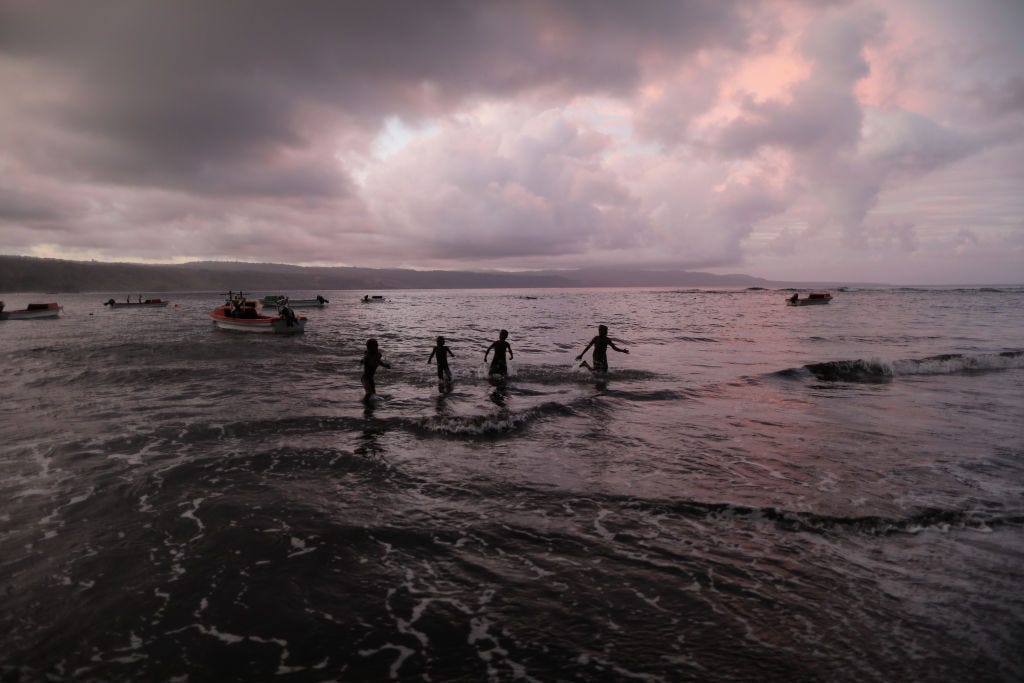
At Avaaz, we’re working to support Vanuatu’s historic stand at the International Court of Justice and the UN to declare climate action an international legal obligation, as a first step beyond the ‘voluntary’ agreements signed to date. It is incredibly inspiring to see this tiny island nation - forced to confront the monster because its very survival is at stake - taking global action that could lead to transformative change for all of us.
The Portal

These efforts are impressive. But let’s not pretend they are enough.
If scientists like Hansen are right, we’re about to be walloped by the consequences of our denial. It’s not just the El Niño, it’s the El Niño combined with the latest fossil-fuel driven energy shock, both of which disproportionately impact the poorest people in the world.
It’s going to take each of us, and everything we have, to make these disasters into doorways, portals to a world that finally acts in the face of the exiled monsters of our civilisation: extraction, inequality, financial capture of politics, pollution and exploitation of the world’s poor.
Those monsters have been gnawing at our spirits for a long time. Moving beyond them is a liberation, not a loss. And it is the work of our lives.
Yes, it is fiendishly difficult. The price of entry to this great transformation is trading the comfort of magical thinking for the stark dignity of difficult truth. Facing that truth is deeply uncomfortable. But it is one of the most important things we can do, because it is a precursor to the action we need.
We need to wake up, and fast.
If denial is driven by social reinforcement, then action can be too.
So sound the alarm. Break the taboo. Shout it from the rooftops. Tell everyone you know.
The rumours are true. A monster is coming.
This is one of the necessary steps we have to walk - but we have to walk these!
Hopefully, it hits climate deniers hardest.. but it'll probably hit the poorest, like it always does.. with the famine expected thanks to Trump's war on Iran's fertilizers later 2026 I'll be catastrophic.. I'm forecasting an American civilisation war, a kind of Armaggedon: Satanic Zionists on one side.. Decent Patruotic Americans on the other.. the Satanic Zionists will win.. Satan looks after his own..